BUILDING BRIDGES

Building Bridges is about breaking down invisible walls—between communities, ideas, institutions, and opportunities. It means reaching those who are often left out and creating pathways where none previously existed.

CONNECTING PEOPLE

Connecting People is at the heart of how we work. We bring together Social Entrepreneurs, young people, educators, caregivers, professionals, and partners, because lasting solutions are born when diverse voices meet, listen, and collaborate.

SHAPING THE FUTURE

Shaping the Future is our long-term commitment. Every project we run today is designed to equip individuals and communities with the knowledge, confidence, and tools they need to take ownership of tomorrow.
This is why BridgeSphere exists.
Not just to run projects—but to build connections that last and change that endures.

How to Get Involved

At EmpowerAid, we believe that positive change happens when individuals and communities come together.

DONATE TODAY

Contribute to an NGO’s disaster relief fund or specific initiatives.

VOLUNTEER

Offer your time and skills, whether locally or in disaster-affected areas

FUNDRAISE

Organize fundraising events to support relief efforts.

ADVOCATE

Raise awareness about disaster preparedness and risk reduction, and support policies that mitigate disaster impacts.
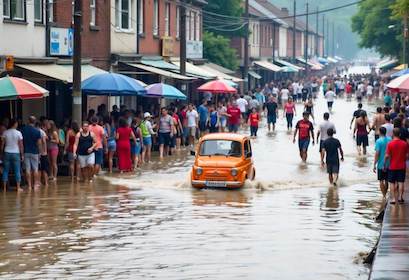
Donate ⭐⭐⭐⭐⭐ Volunteer ⭐⭐⭐⭐⭐ Fundraise ⭐⭐⭐⭐⭐ Advocate.

Notable NGOs Focused on Natural Disaster Relief

Here are a few well-known international and local NGOs

dedicated to disaster relief and preparedness:

International Federation of Red Cross and Red Crescent Societies (IFRC)

default-image

Provides emergency relief and supports long-term recovery in disaster-affected regions.
Médecins Sans Frontières (Doctors Without Borders)

default-image

Offers medical care in emergency situations, particularly during and after natural disasters.
GlobalGiving

default-image

Through GlobalGiving, you can support our mission directly by donating to our projects, contributing to emergency relief efforts, or joining fundraising campaigns.
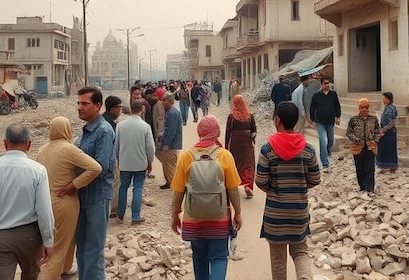
Oxfam

default-image

Provides disaster relief and focuses on long-term development, including rebuilding livelihoods and improving community resilience.
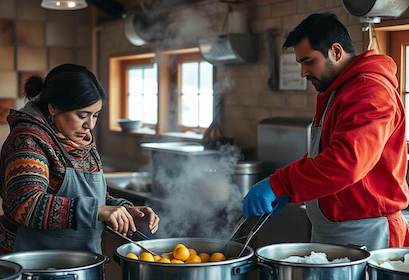
World Food Programme (WFP)

default-image

Responds to hunger in emergencies, including natural disasters, providing food and nutrition to those affected.
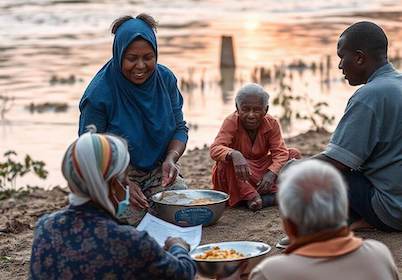
Direct Relief

default-image

Supplies medical assistance and disaster relief to improve the health and lives of people affected by emergencies.


OUR ACTIVITIES

An NGO (Non-Governmental Organization) focused on natural disasters typically aims to provide immediate relief, long-term recovery, and disaster preparedness in communities affected by natural calamities such as earthquakes, floods, hurricanes, wildfires, and others. These NGOs often work in partnership with local governments, international agencies, and communities to minimize the impact of disasters and build resilience.

Here’s a breakdown of the key functions and activities of an NGO dedicated to natural disaster response and recovery:

Disaster Response and Relief

  1. Emergency Aid: Providing essential supplies like food, water, clothing, medical supplies, and shelter to disaster-stricken areas.
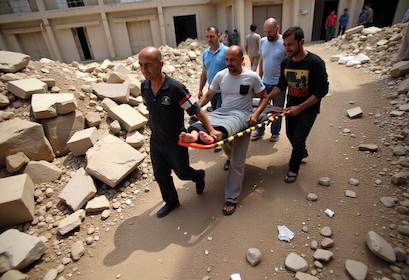
  2. Search and Rescue: Mobilizing teams to rescue survivors and provide emergency medical care.
  3. Psychosocial Support: Offering counseling and mental health support to disaster survivors dealing with trauma and loss.

Disaster Preparedness

  1. Training and Awareness: Educating communities about disaster risks and how to prepare for them, including evacuation plans, first aid training, and risk assessments.
  2. Early Warning Systems: Developing systems that can detect and alert populations about impending natural disasters like hurricanes or earthquakes.

Recovery and Rehabilitation

  1. Rebuilding Infrastructure: Helping to rebuild homes, schools, hospitals, roads, and other vital infrastructure damaged or destroyed by the disaster.
  2. Livelihood Restoration: Assisting communities in restoring their livelihoods through support for agriculture, small businesses, and employment opportunities.
  3. Health and Education: Providing long-term healthcare services and ensuring the continuity of education for children.

Advocacy and Policy

  1. Disaster Risk Reduction: Working to influence policy at national and international levels to strengthen disaster preparedness and resilience.
  2. Climate Change Advocacy: Promoting policies and strategies to mitigate climate-related disasters, including advocating for disaster-resistant infrastructure and sustainable practices.

Research and Innovation

  1. Risk Mapping and Data Collection: Conducting studies to identify vulnerable areas and populations, and to understand the impacts of various disasters.
  2. Innovation in Disaster Management: Developing and testing new technologies or approaches to disaster risk reduction and response, such as drones for search-and-rescue operations, or mobile apps for disaster alerts.

RECOGNITION AND REWARDS

Establish a system for recognizing and rewarding outstanding contributions to the NGO’s mission.

default-logo
default-logo
default-logo

FAQs

Welcome to the Frequently Asked Questions (FAQ) section of EmpowerAid.

If you have a question that isn't addressed here, please feel free to contact us directly—we're always happy to assist!

What is disaster response and relief?

Disaster response and relief refer to the efforts and actions taken to provide immediate aid and assistance to people affected by natural or man-made disasters. These efforts focus on saving lives, alleviating suffering, and meeting basic needs such as food, shelter, and medical care.

What are the stages of disaster management?

Disaster management typically occurs in four stages:


  • Mitigation: Actions taken to reduce or eliminate the impact of disasters (e.g., building codes, disaster-resistant infrastructure).
  • Preparedness: Plans, training, and resources to prepare for potential disasters.
  • Response: Immediate actions taken during and after a disaster to ensure safety and provide relief.
  • Recovery: Efforts to restore the affected area to normal or even improved conditions after a disaster.

What types of disasters require a response?

Disasters can be classified as:


  • Natural disasters: Earthquakes, floods, hurricanes, tornadoes, wildfires, tsunamis, volcanic eruptions, etc.
  • Human-made disasters: Industrial accidents, nuclear accidents, chemical spills, oil spills, conflicts, terrorism, etc.

Who coordinates disaster response efforts?

  • Government agencies (e.g., national or regional disaster management agencies, fire departments, military units).
  • International organizations (e.g., United Nations, Red Cross/Red Crescent, World Food Programme).
  • Non-governmental organizations (NGOs) (e.g., Médecins Sans Frontières, Oxfam, Save the Children).
  • Local authorities (e.g., municipal governments, local disaster management teams).
*

Thank you for your message! We will get back to you soon.

Your message is sending...

GET IN TOUCH WITH US

At EmpowerAid, we value your interest in our mission and encourage you to get in touch with us. Whether you have questions, want to collaborate, or need assistance, our team is here to help. Please feel free to reach out to us through any of the following channels.


General Inquiries

For general information, program details, or inquiries about our work, please contact us via email or phone.

Email: info@empoweraid.org

Phone: 1800-888-999

Mailing Address: empoweraid@gmail.com